
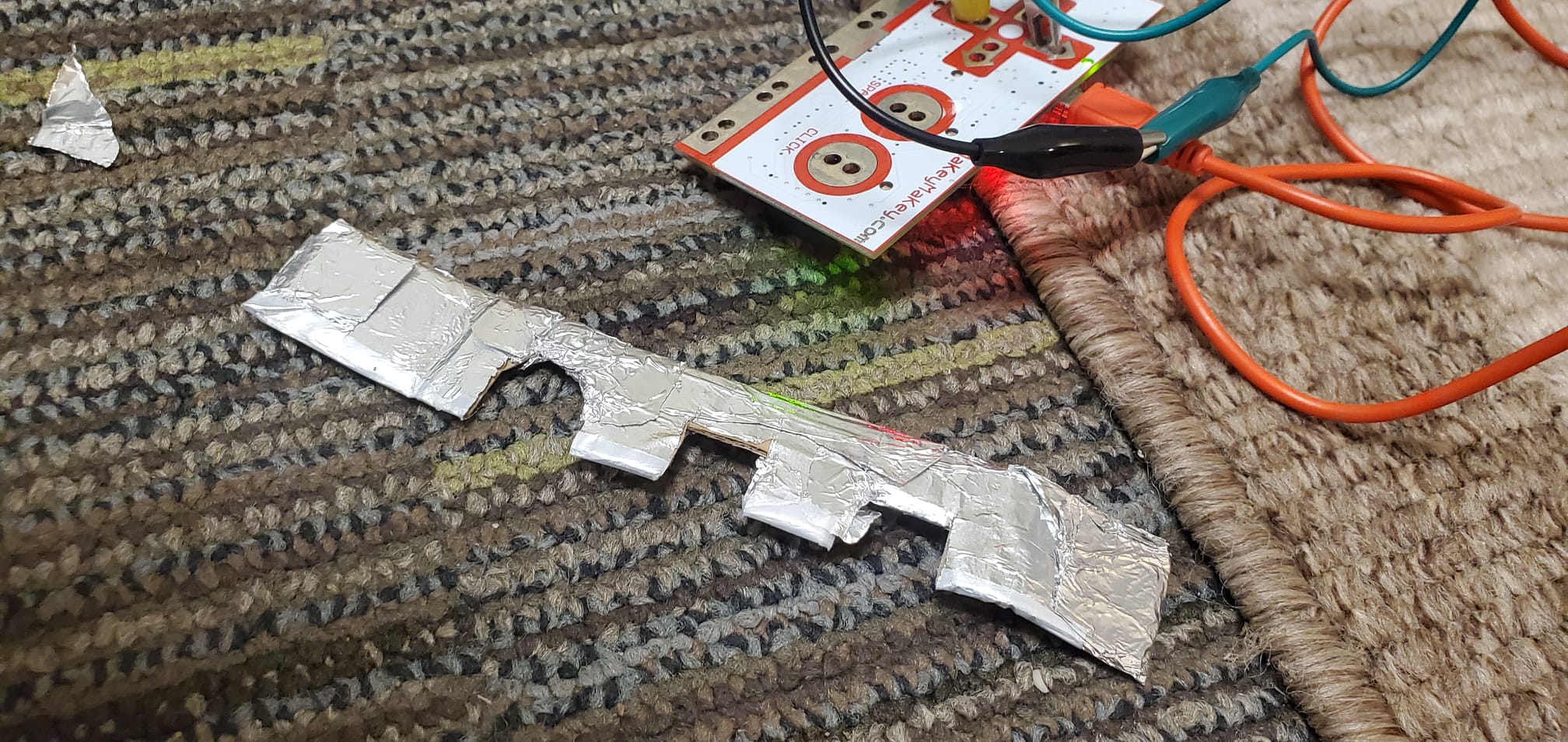
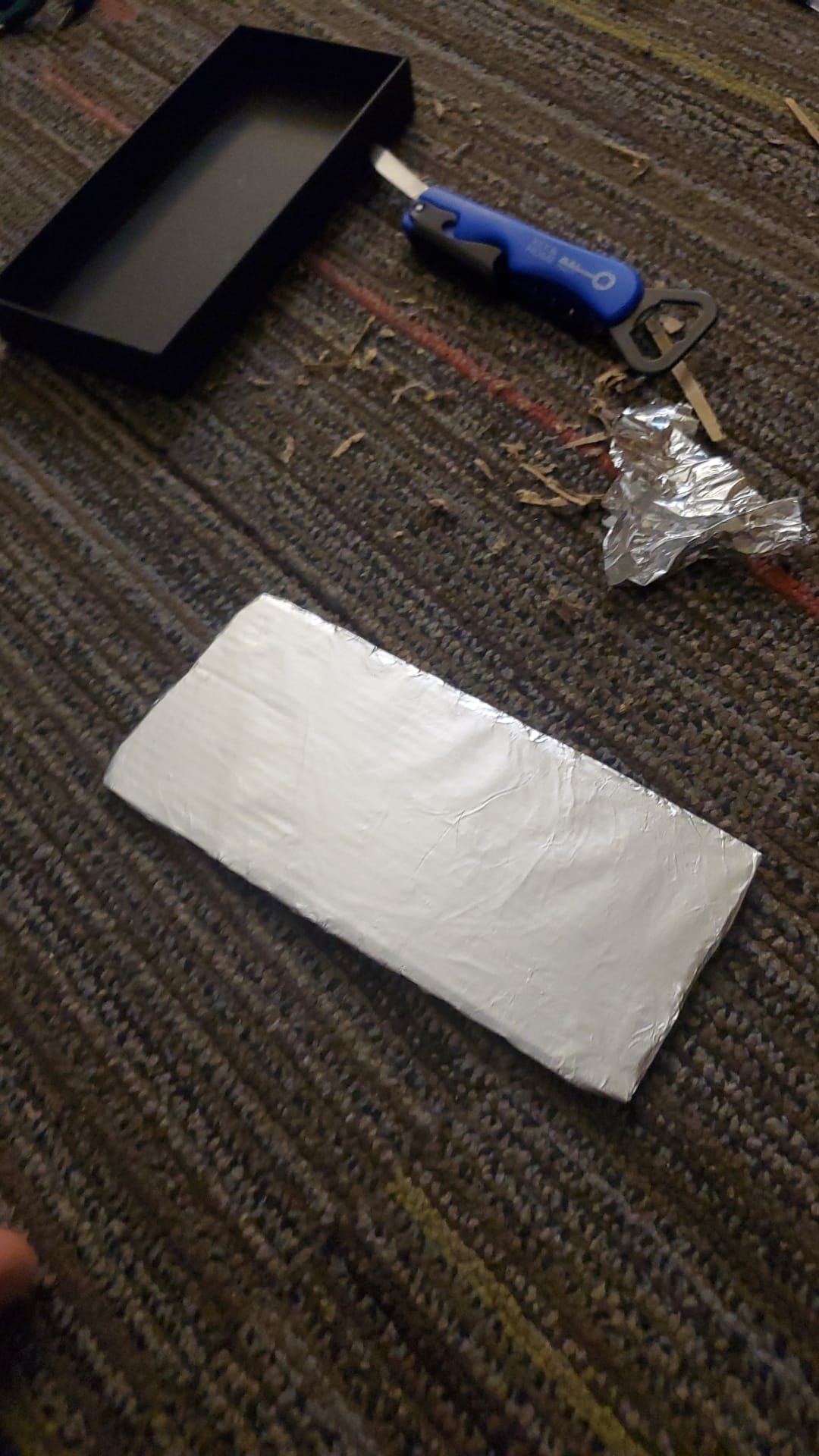
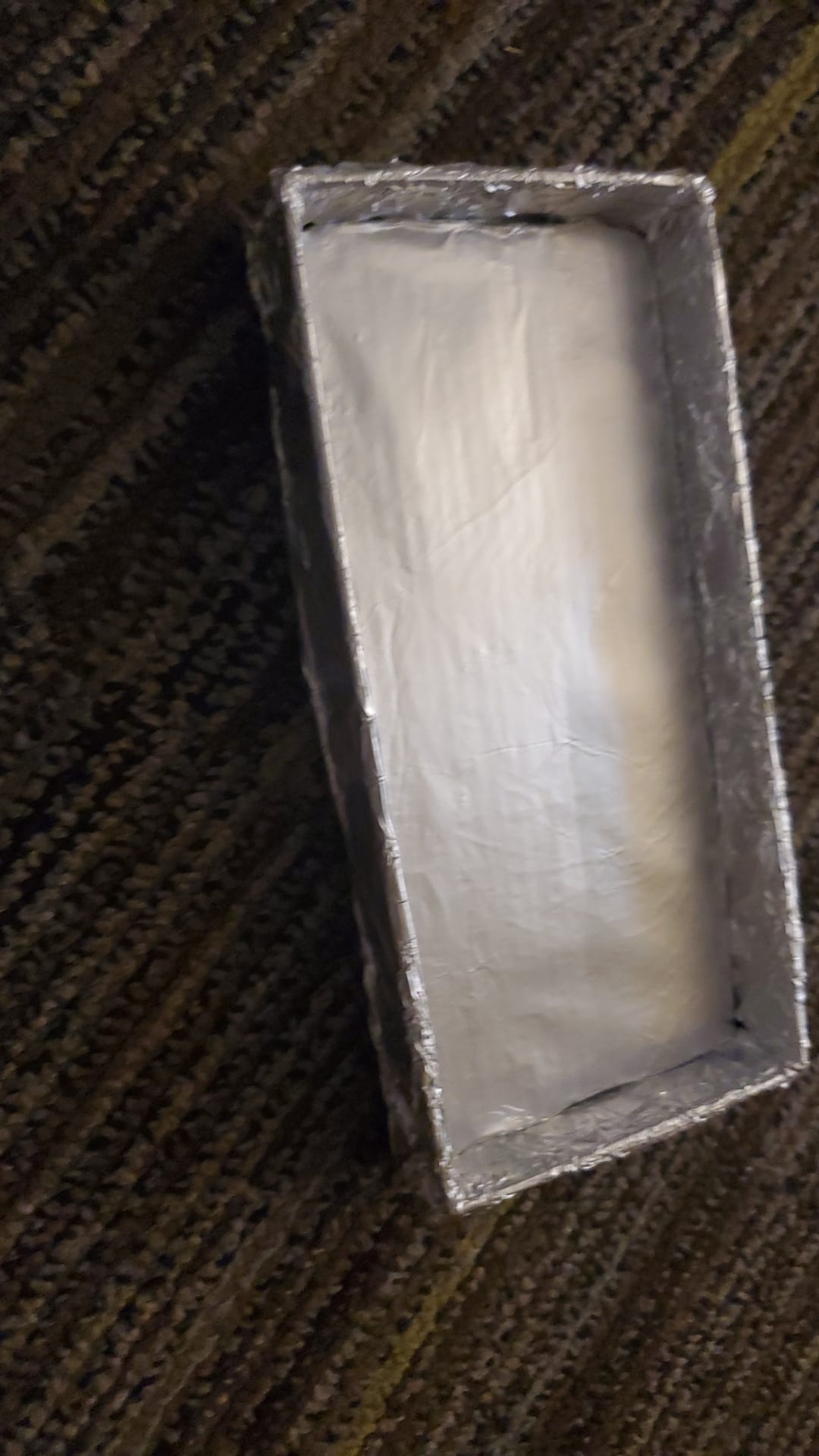
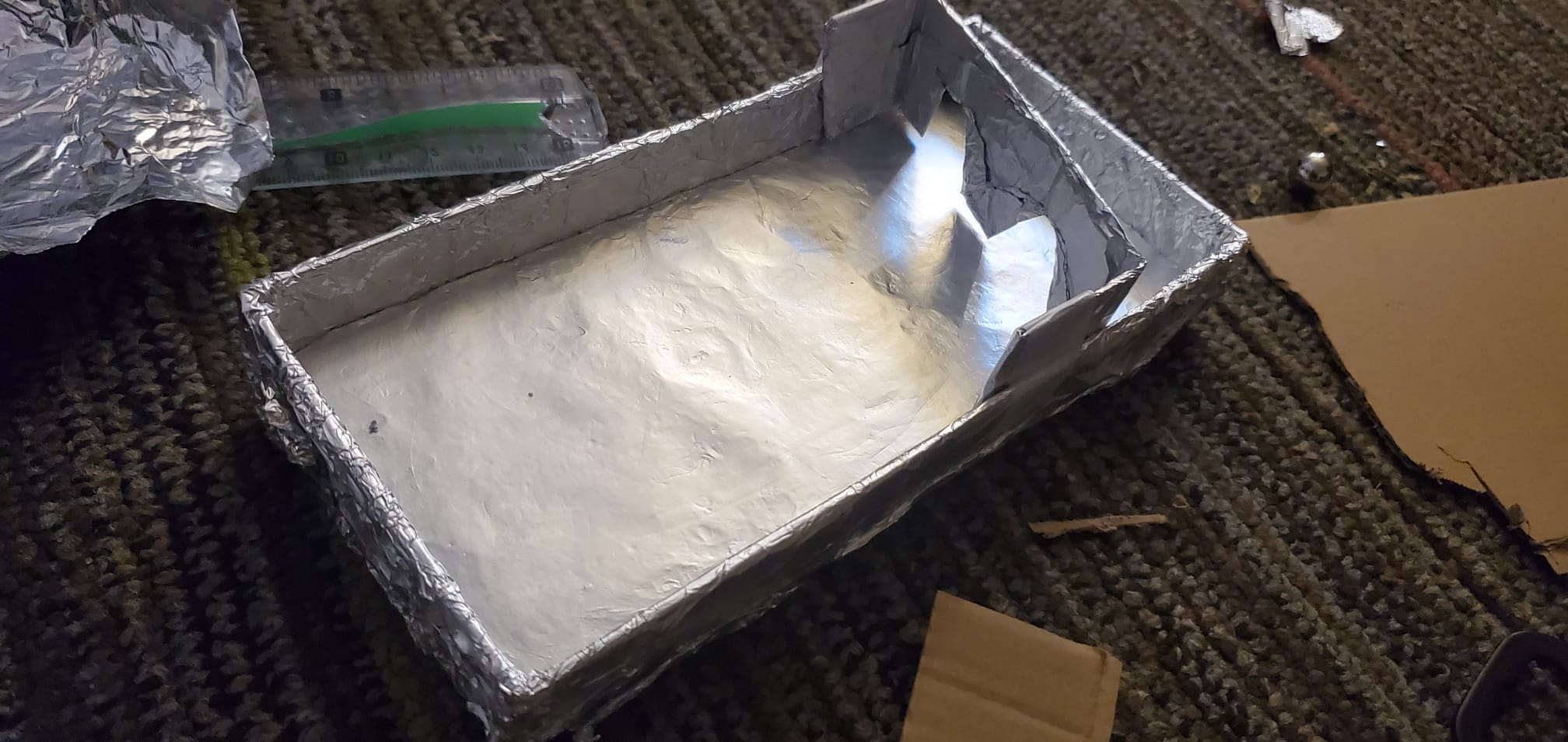
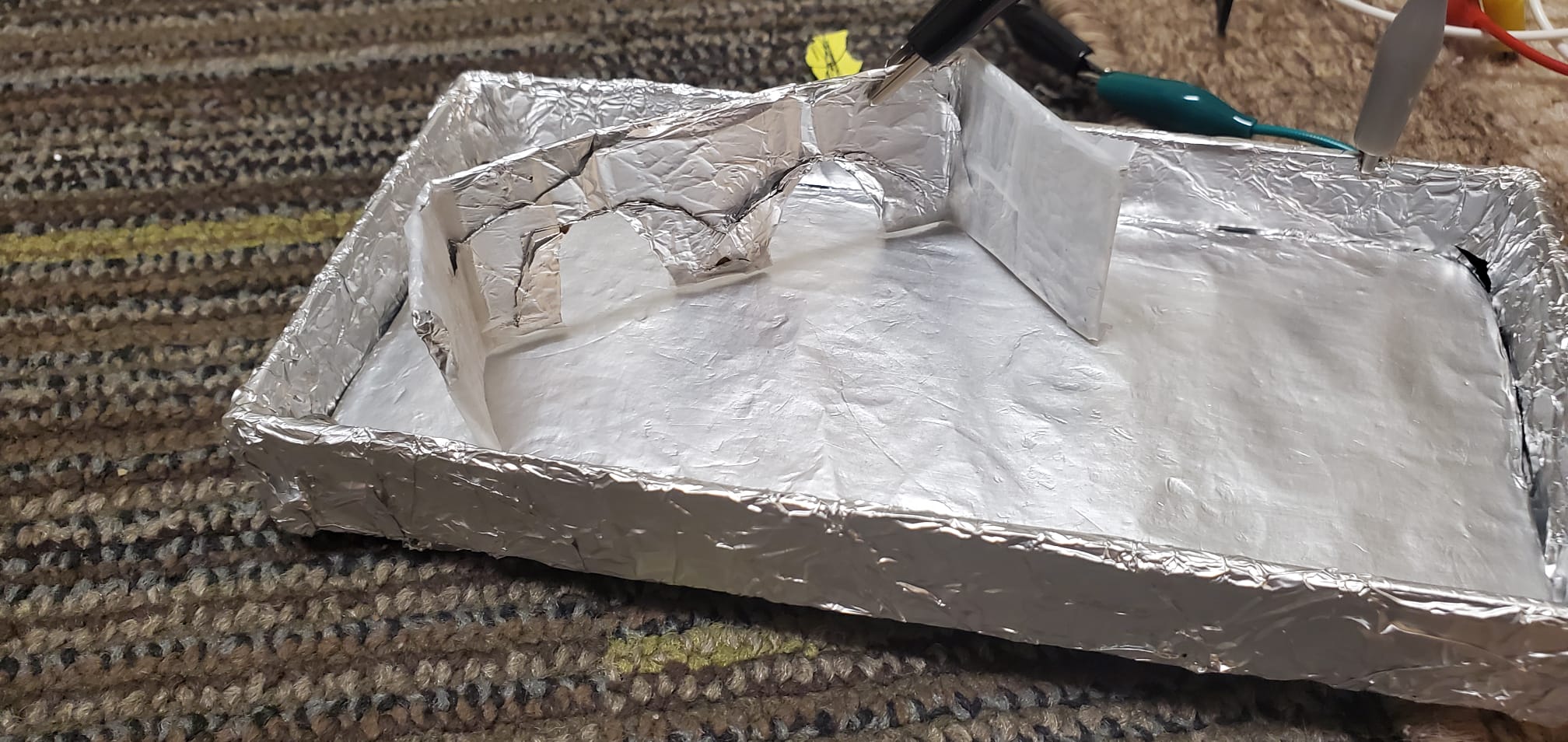
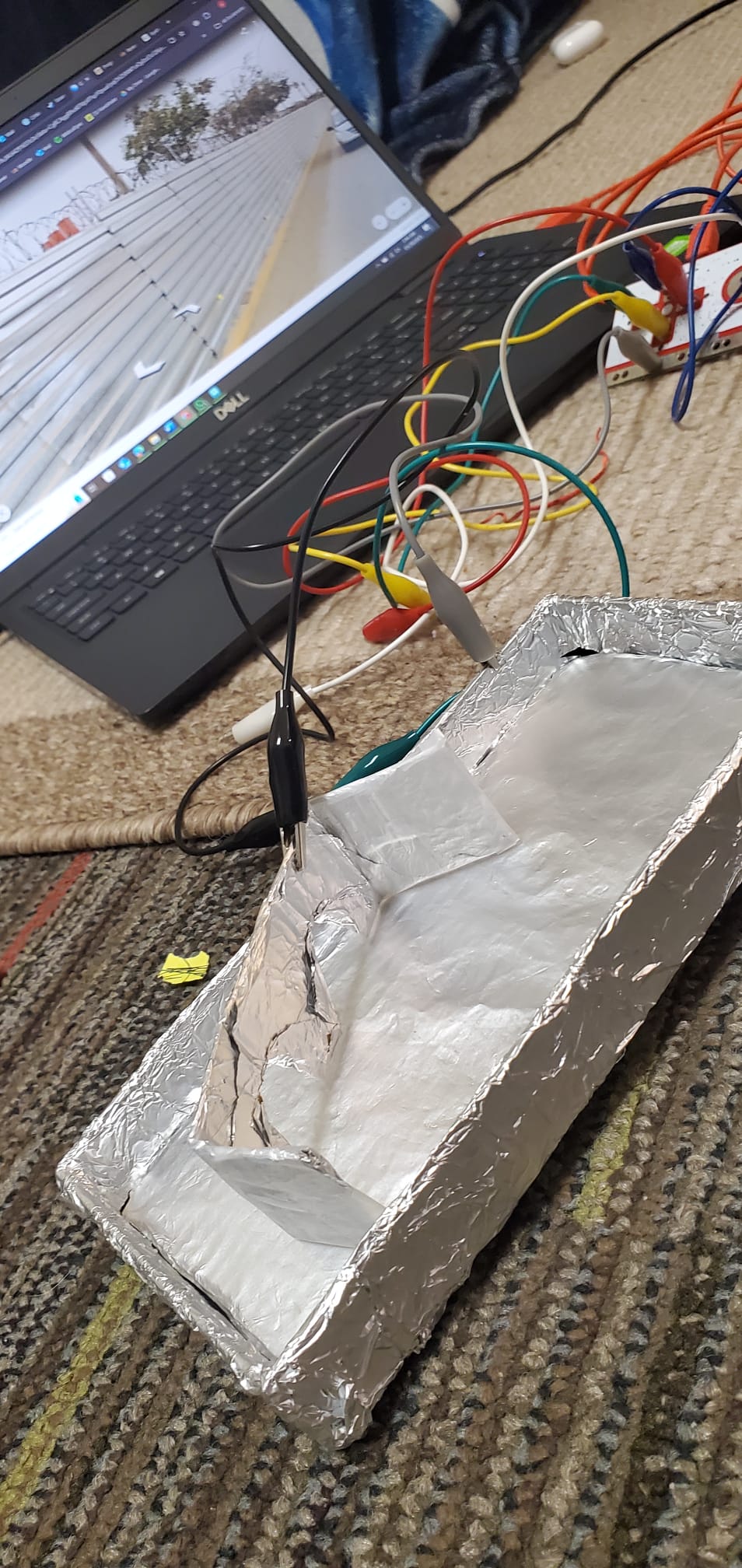
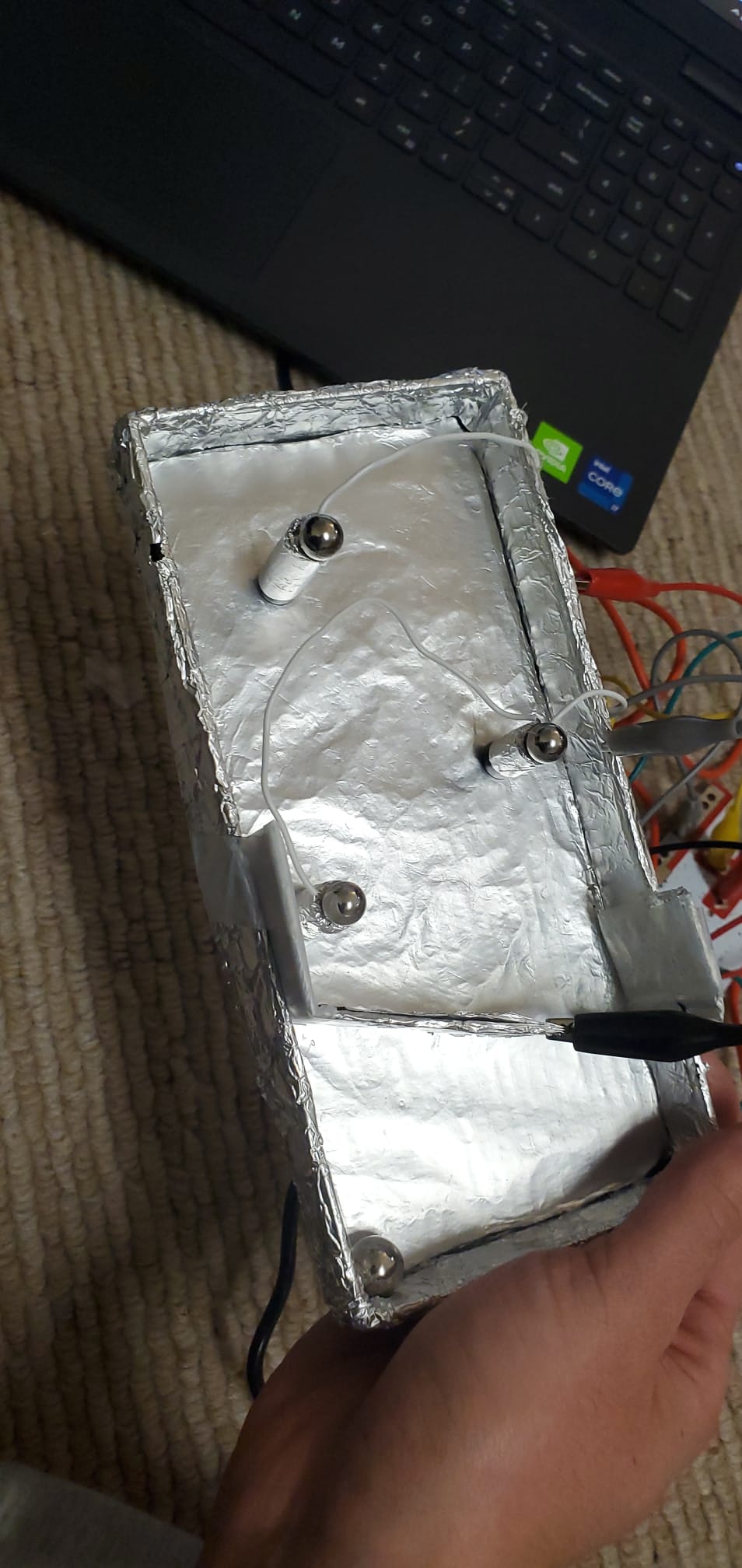
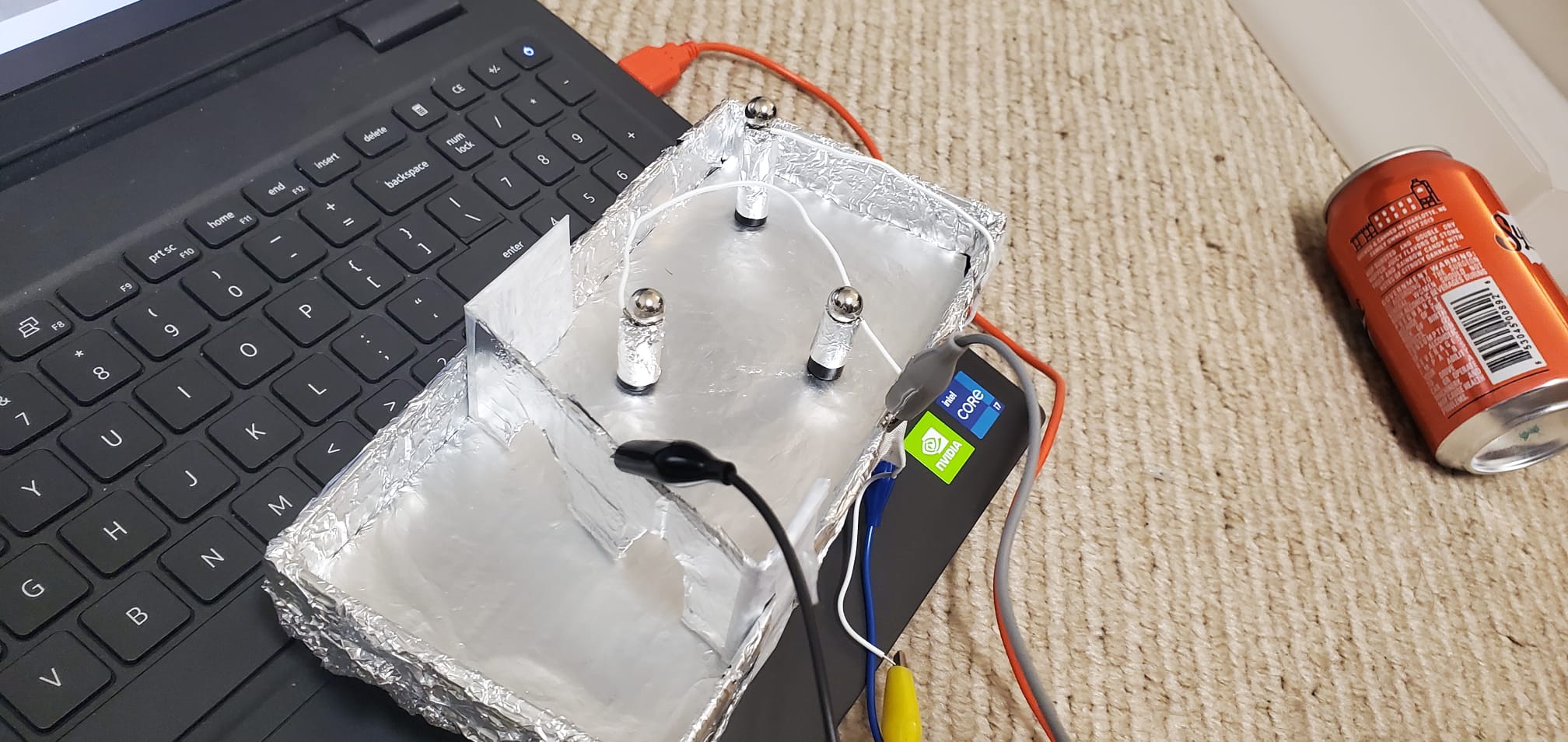
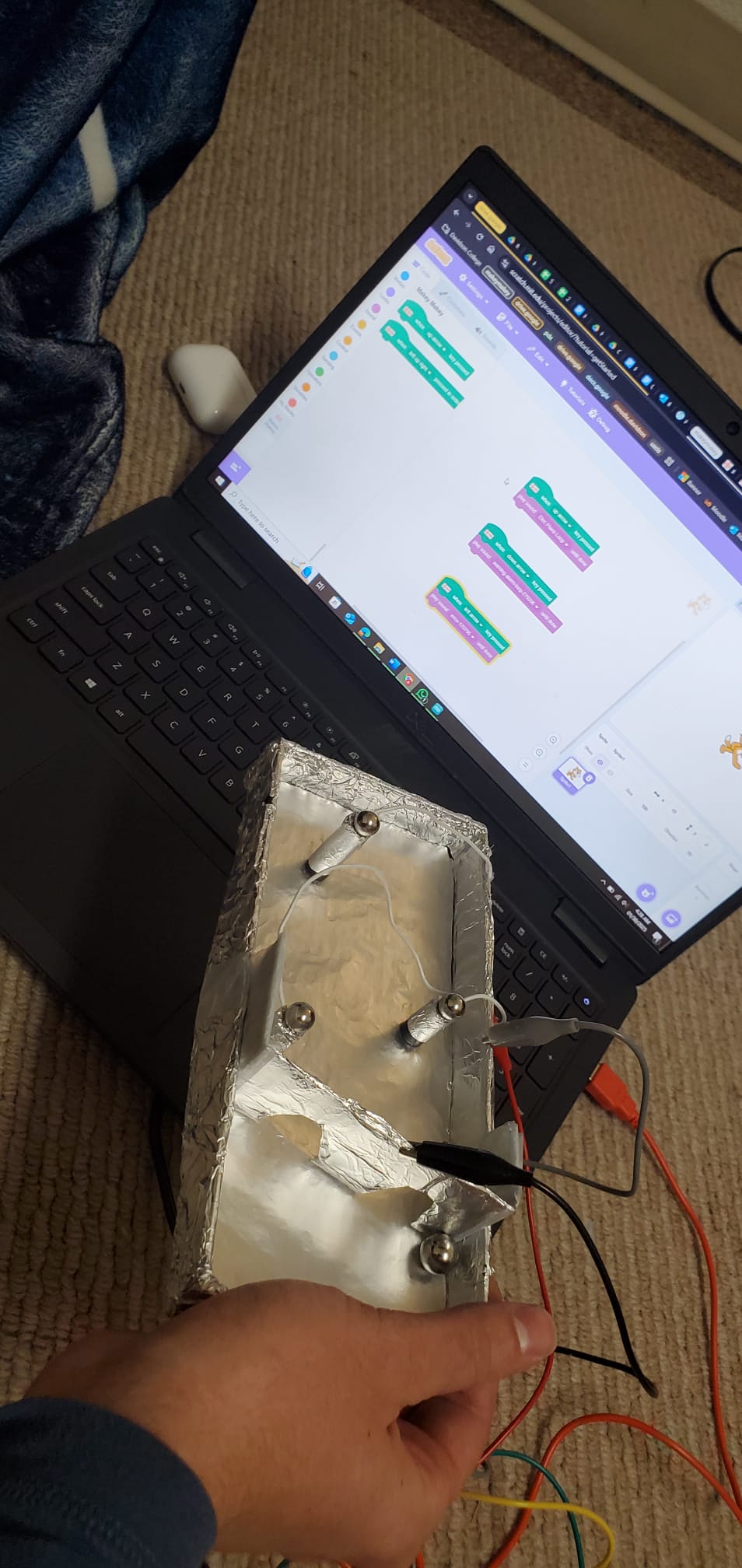
In my project, I converted a handheld board into a conductive surface, with a metal ball rolling inside it. The Makey Makey button is anything that is electrically separate from the board and can make contact with the ball. Having a free rolling ball capable of triggering Makey Makey buttons unlocked a surprisingly unique dimension of play.
When you use a Makey Makey, you imagine the buttons being pressed by a finger or arm or a direct movement that connects some limb to the conductor acting as a button. However, the fact that a metal ball that requires no direct touch or manipulation, except for it to be on a conductive handheld surface, eliminates the step of moving forward, mentally or physically, and initiating the interaction. Instead, you rotate and tilt the board, asking gravity to lead the ball where you intend. This renders the metal ball as an extension of the player’s limbs, although with a much larger set of physical and psychological limitations.
Instead of “willing” a physical pathway from the button-pressing object to the button, you have to visualize the fields of gravitational potential that would pull the button-pressing object (the metal ball) at ever-changing velocities and prevent it from reaching certain areas. Since there are magnetic obstacles in its path, you must also account for the ball’s interactions with the magnetic fields at play. This strikes an amazing contrast with the typical freedoms of bodily movement in human-computer interactions in play. We cannot ignore external forces and rely solely on the mind’s agency over its limbs to trigger the button; magnetism and gravity have entered the gameplay.
In such a design, you cannot trust that the button will be pressed. Controlling the tilt of the board to guide the ball requires incredible concentration and patience. The process of reaching the button becomes the main focus of play, rather than the outcome of the button press.
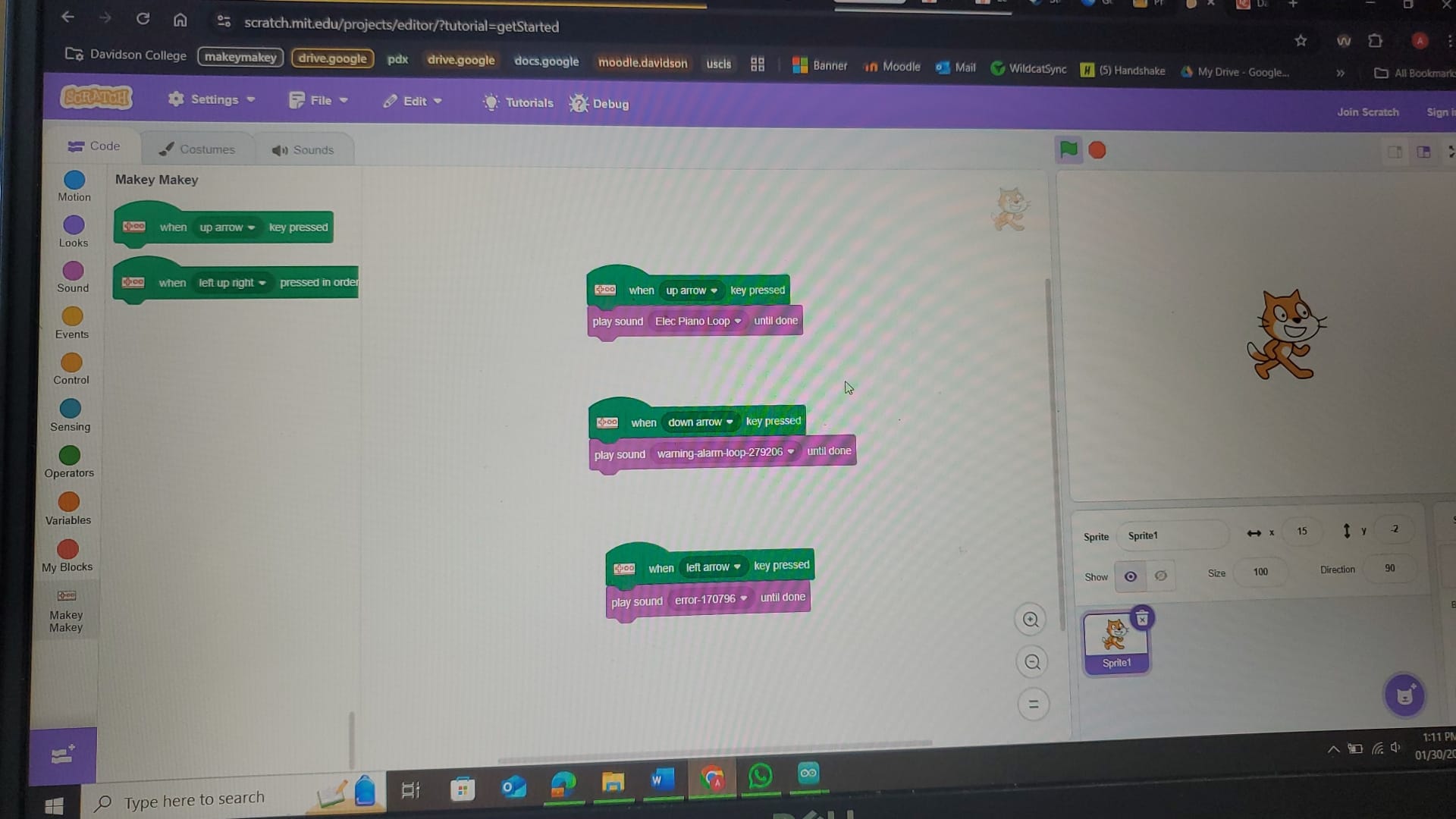
Such a form of play introduces another twist. You do not want the button to be pressed. If the ball collides with the obstacles in its path, they trigger an alert and signify the failure of the game. Magnetism and gravity dictate the rules of play: how close you can come to the magnets before being sucked into them, how fast you must go to bypass the magnetic pull, how much velocity you can summon at any point, ignore these natural forces at your peril. The objective of gameplay is isolated as a particular mental image: a rolling ball with an unhindered trajectory, as opposed to an image of successful or timely button-interactions that permeate the majority of Makey Makey implementations. The outcome of a successful button-press has been rendered undesirable.
This difference significantly flips the source of entertainment in the game, such that there is immediate, physical risk of failure. Once you grab the game board, the ball starts moving. The tiniest movement can lead the ball into an obstacle. Suddenly, your entire body is part of the game, forcing you to remain still and intentional with each motion, eyeing your opponents: magnetism and gravity. Play becomes serious, yet seriousness leads to the win and therefore the thrill.
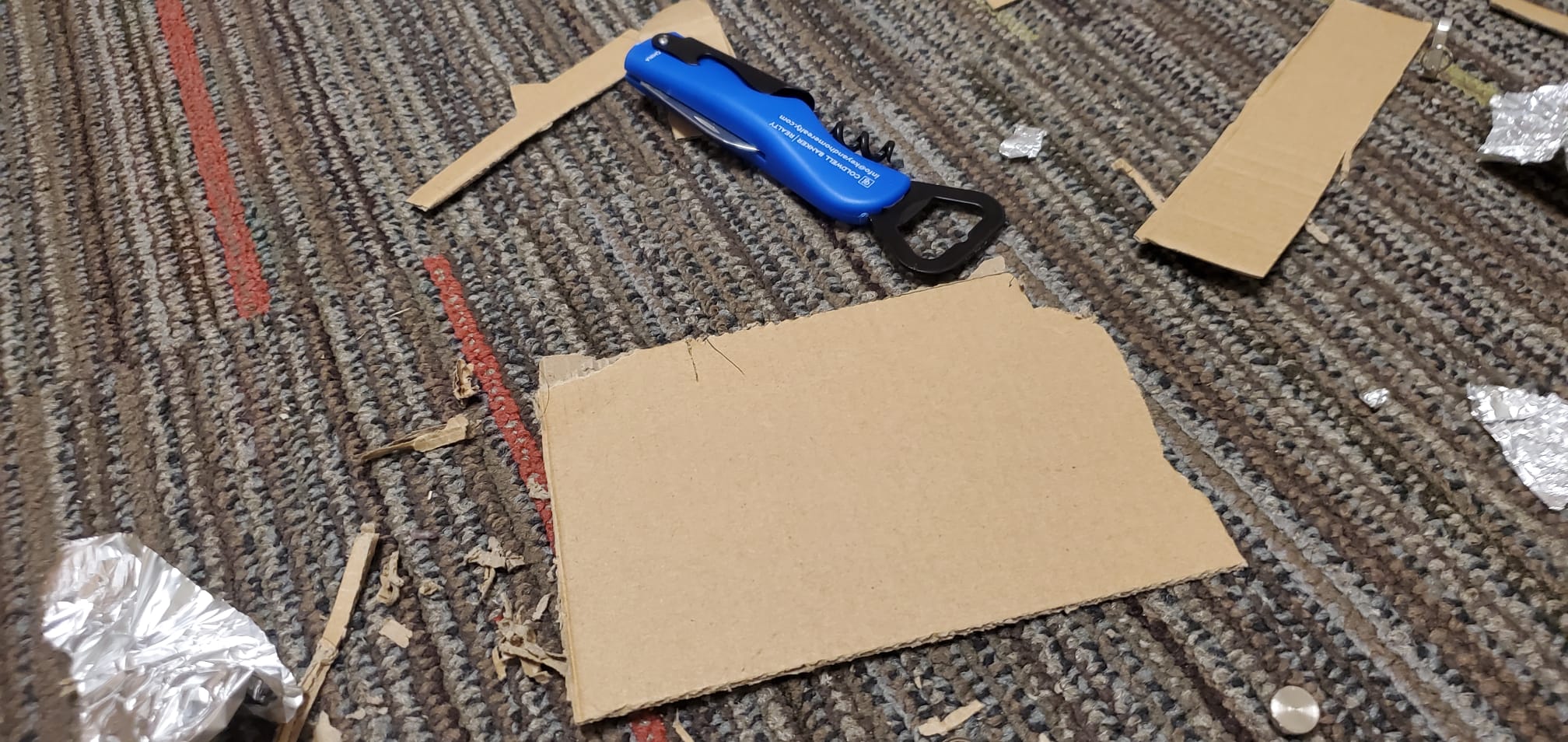
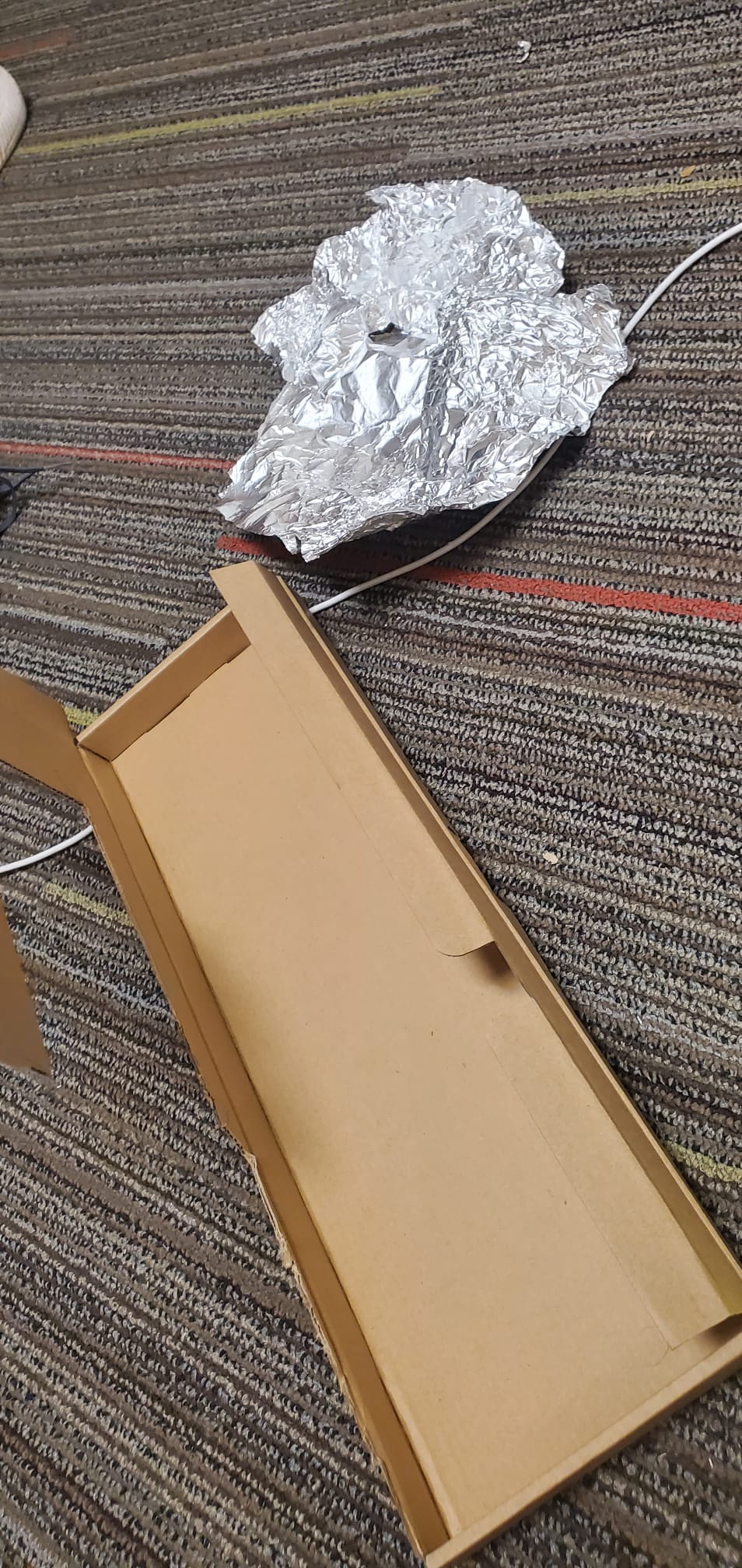
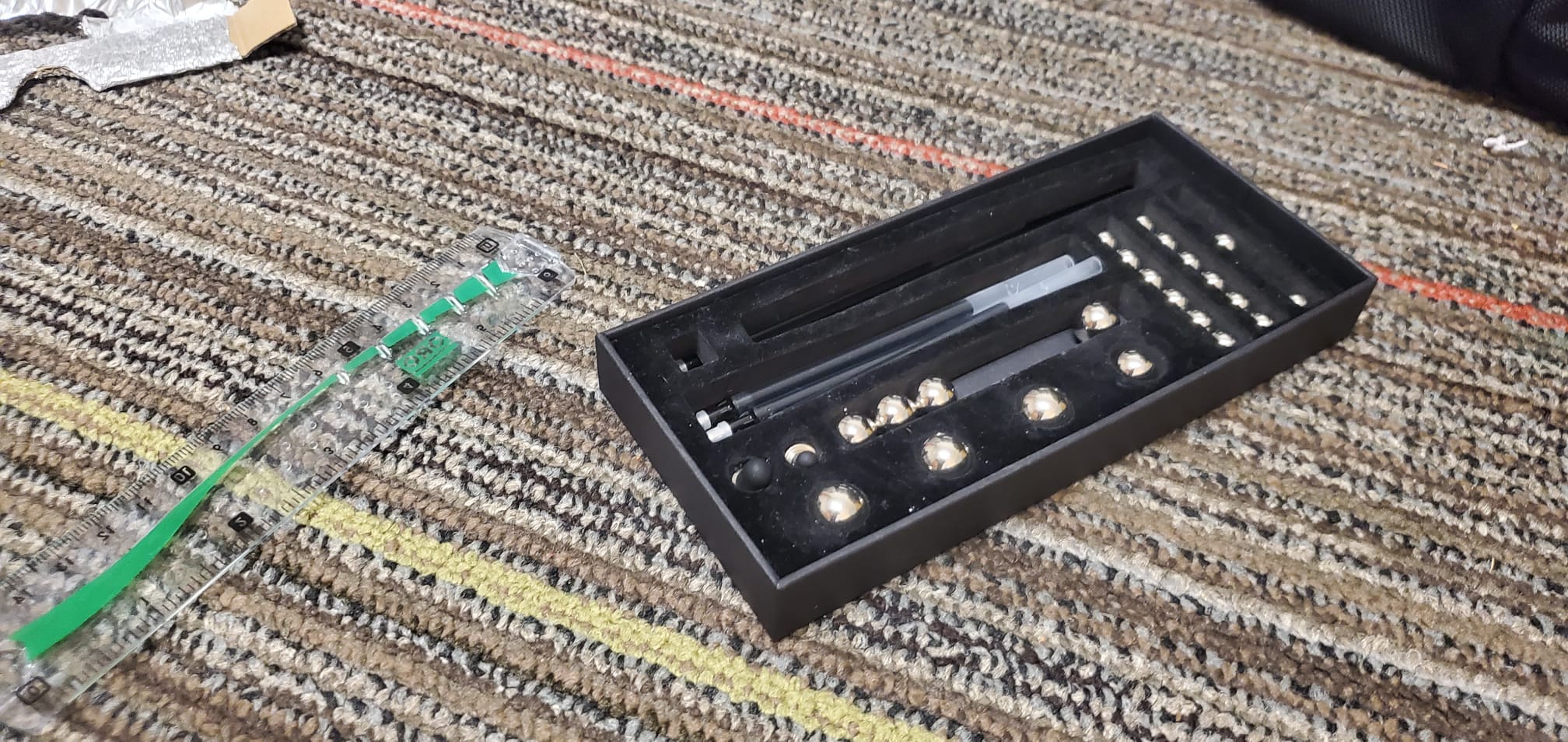
Materials
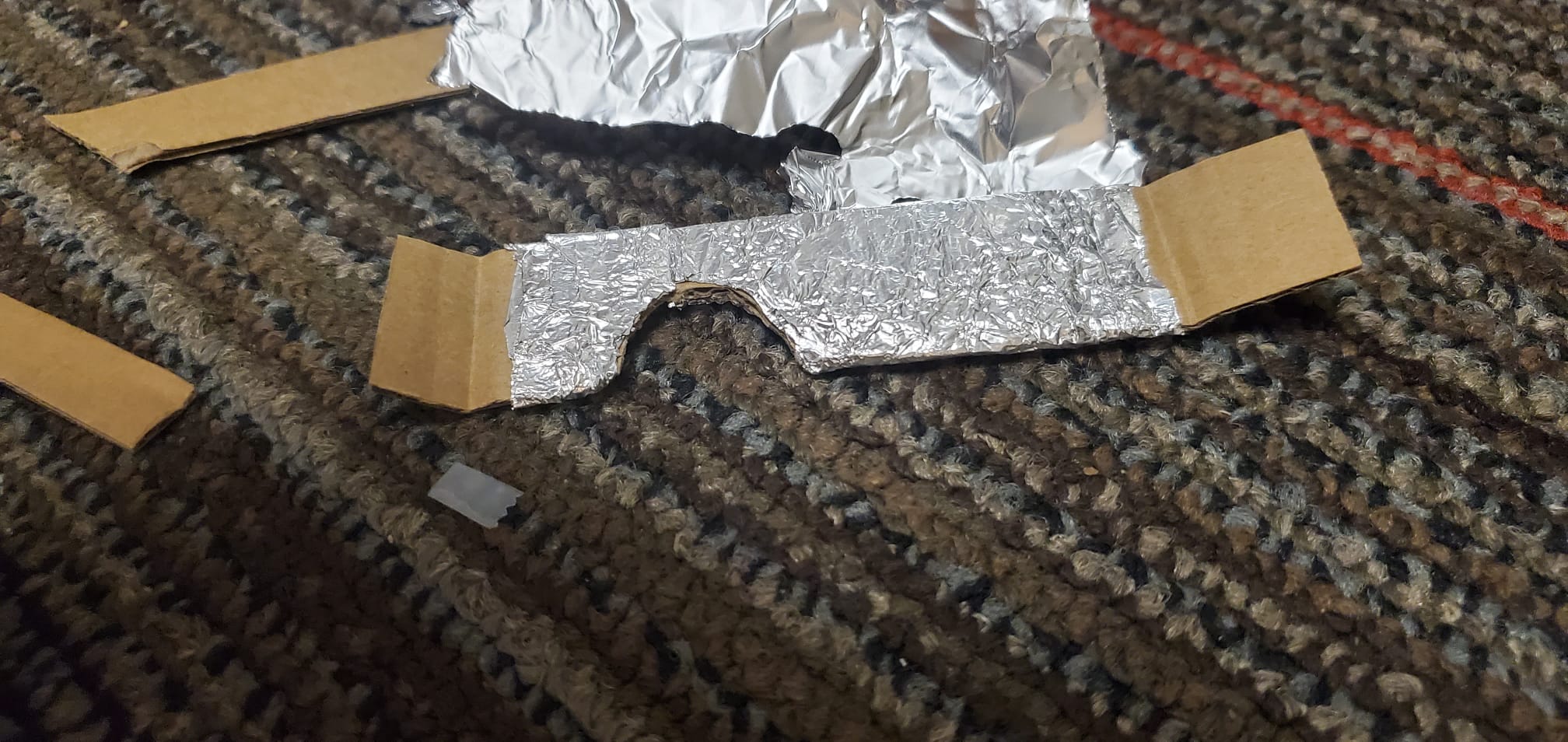
Construction

Coding and Testing

Leave a Reply